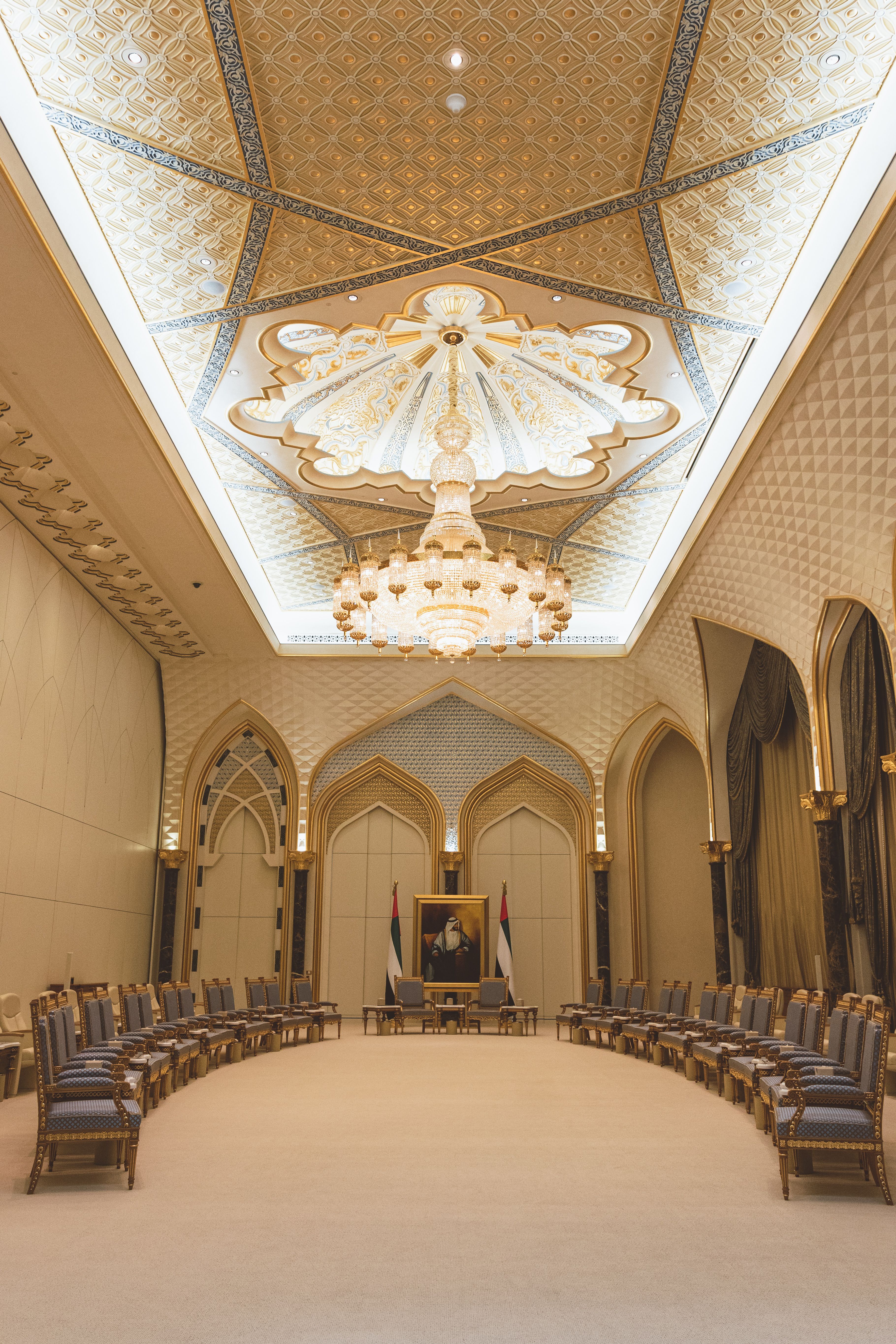
Landscape Design in Dubai: Gardens, Terraces, and Alfresco Living
In Dubai, outdoor living is a genuine luxury, yet also a design challenge that rewards careful planning With summer temperatures regularly pushing past 40 degrees Celsius and long stretches of intense sun, a garden or terrace here must be as much engineered as styled The upside is that, the same climate brings long spells of glorious outdoor weather, above all in the cooler months from October to April From compact apartment balconies in Business Bay to sprawling villa gardens in Emirates Hills, the same core principles apply This practical guide walks you step by step through planning, building, planting, and maintaining an outdoor space that stays comfortable and beautiful There are also 2026 market cost ranges and timelines to help you scope the work realistically Use it as a working checklist, one you can tailor to your own plot, budget, and lifestyle
Understand Your Outdoor Canvas First
A clear-eyed look at the site is where every successful landscape project starts Begin with the plot’s orientation, since a west-facing terrace in Dubai bakes in the afternoon while a north-facing courtyard is far more comfortable Observe how sun and shade shift across the space through the day, and identify any prevailing breezes that can be captured for natural cooling Check your soil, which across much of the UAE is sandy, alkaline, and low in organic matter, meaning it will need improving before you plant Think about privacy from neighbouring villas or towers, plus any rules from your developer or master community Map the existing services such as drainage points, irrigation lines, and outdoor power, because moving them later is costly and disruptive Getting this groundwork done prevents expensive surprises once construction gets under way
Plan Your Space Step by Step
With the site understood, you can begin structured planning with real confidence A sensible order keeps the project on budget and makes sure each element properly supports the next Rushing straight to plant selection is a frequent and costly mistake, because the hardscape and services must come first The numbered steps below lay interior design villas out a reliable order of work for most Dubai gardens and terraces Adjust the emphasis to match whether you are designing a balcony, a rooftop, or a full villa garden Following a clear process also makes it far easier to brief a landscaper properly and to compare quotations fairly
- Nail down your goals and a realistic budget before anything else.
- Zone the space into areas for dining, lounging, play, and planting.
- Design shade and shelter to tame the sun and prevailing wind.
- Plan the hardscape, changes in level, and reliable drainage.
- Set out the irrigation and lighting while surfaces are exposed.
- Pick a climate-appropriate planting palette grouped by water need.
- Save furniture, textiles, and the decorative details for last.
Designing for Shade, Shelter, and Cooling
In Dubai, shade is not a luxury but the single most important ingredient in a usable outdoor space Pergolas, louvred roofs, and tensile shade sails greatly extend the hours you can comfortably spend outside Adjustable aluminium louvres are especially popular because they let you dial in both sun and airflow as the day goes on Trees and tall planting cool things naturally, since dense vegetation can cool the air right around it From a simple rill to a plunge pool, water features cool the surrounding air through evaporation and bring a soothing sound Outdoor fans, misting systems, and even discreet ducted cooling are increasingly specified for premium terraces across the city It is combining several of these strategies that makes a Dubai garden genuinely comfortable rather than merely attractive
Pick Hardscape Materials That Handle the Heat
Material choice is critical when surfaces sit in direct sun for much of the year Light-coloured natural stone, porcelain pavers, and travertine stay distinctly cooler underfoot than dark tiles or dense concrete Around pools, slip resistance and heat reflectivity are vital for comfort and safety, particularly with children about While timber decking brings warmth and a resort feel composite boards often cope better with sun and humidity over the long term Good drainage is essential, since Dubai’s occasional heavy winter downpours can rapidly overwhelm poorly graded surfaces Specify UV-stable, salt-tolerant finishes, especially for waterfront homes on the Palm Jumeirah or along Dubai Marina Quality pays for itself here, since cheap materials fade, crack, and warp remarkably fast in this climate
Building a Planting Palette for the Desert Climate
A garden truly comes alive with planting, and the trick is choosing species that thrive in heat and salinity Hardy favourites include date palms, bougainvillea, oleander, frangipani, and desert-adapted succulents that shrug off the fierce summer Native and adapted plants use far less water, which can slash irrigation needs by 30 to 50% compared with thirsty imported species Grouping plants by water need, known as hydrozoning, makes irrigation far more efficient and economical Drip irrigation on an automatic timer is the standard across Dubai and dramatically reduces waste compared with overhead spraying A generous layer of mulch or decorative gravel holds soil moisture and keeps roots cooler through the day The table below lists popular, climate-resilient choices alongside their rough 2026 market costs
| Item | Examples | Notes | Est. 2026 Cost |
|---|---|---|---|
| Tough planting | Bougainvillea, oleander, date palm | Low water once established | AED 60 to 150 per sq ft |
| Grass or ground cover | Paspalum turf, gravel, artificial grass | Turf is the thirstiest | AED 40 to 120 per sq ft |
| Hardscape paving | Porcelain, travertine, composite deck | Pick light, UV-stable finishes | AED 150 to 450 per sq ft |
| Overhead shade | Pergola, louvred roof, shade sail | Adjustable louvres add flexibility | AED 20,000 to 90,000+ |
| Watering and lighting | Drip system, timer, LED fittings | Automate for efficiency | AED 15,000 to 60,000+ |
Costs, Timelines, and Permits
In Dubai, landscaping costs vary widely with ambition, materials, and site access As a broad 2026 market estimate, soft landscaping and basic planting can start around AED 60 to 150 per square foot, while designed gardens with quality hardscape often run AED 200 to 500 per square foot With pools, outdoor kitchens, and full automation, and premium schemes soar past that range A modest balcony or terrace makeover might be done in two to four weeks, whereas a full villa garden commonly takes six to twelve weeks on site Larger, structural projects involving pools and extensive groundwork can extend to several months from start to finish Many communities require approvals before work begins, including a no-objection certificate and, in some areas, permits from Dubai Municipality or your master developer Treat every figure here as an indicative range rather than a fixed quote, and confirm the rules for your community early
Keep It Thriving Year-Round
A Dubai garden is a living system that needs regular care to stay beautiful Check irrigation each season, increasing watering through the punishing summer and dialling it back when it cools Routine pruning, feeding, and pest control keep growth strong and catch small problems early Hardscape benefits from periodic cleaning and resealing, especially stone and timber exposed to relentless sun and salt Plenty of villa owners in Dubai Hills and Al Barsha hire a monthly maintenance service for the heavier work In busy homes, automated irrigation and lighting controllers take the effort out of upkeep Keep a sensible routine, and your outdoor space will reward you for many years to come